Your portable generator, wired to the panel the right way
An interlock kit or a manual transfer switch, an outdoor inlet box and a cord rated for the job. The furnace and the fridge run on your generator, and no cord gets fed through a cracked window.
The setup most generator owners in town actually need
Plenty of houses around Cheyenne already have a portable generator sitting in the garage. The trouble shows up in January, when the power drops and the one thing you need most, the furnace blower, is hardwired with nothing to plug a cord into. A proper hookup fixes that. The generator stays outside, one cord runs to an inlet on the wall, and you pick which circuits in your existing panel get power.
What we install is simple on purpose: a listed interlock kit on your main panel or a small manual transfer switch, a weatherproof power inlet box, and a cord sized to the generator. There is no controller to program and nothing to maintain beyond the generator itself. Once you have done it once, switching over takes about as long as the engine needs to warm up.
What we will not do is help anybody run a cord with a plug on each end into a dryer outlet. People call that a suicide cord for good reason. The exposed prongs are live, and with the main breaker still on, the generator feeds the neighborhood and whoever is working on the line. If that is how your generator is connected now, call (307) 757-5553 and we will get it done properly.
We set these up in Cheyenne, the Ranchettes and Pine Bluffs, and down into Laramie and Fort Collins.
Two ways to connect
Interlock kit or manual transfer switch
An interlock kit on the main panel
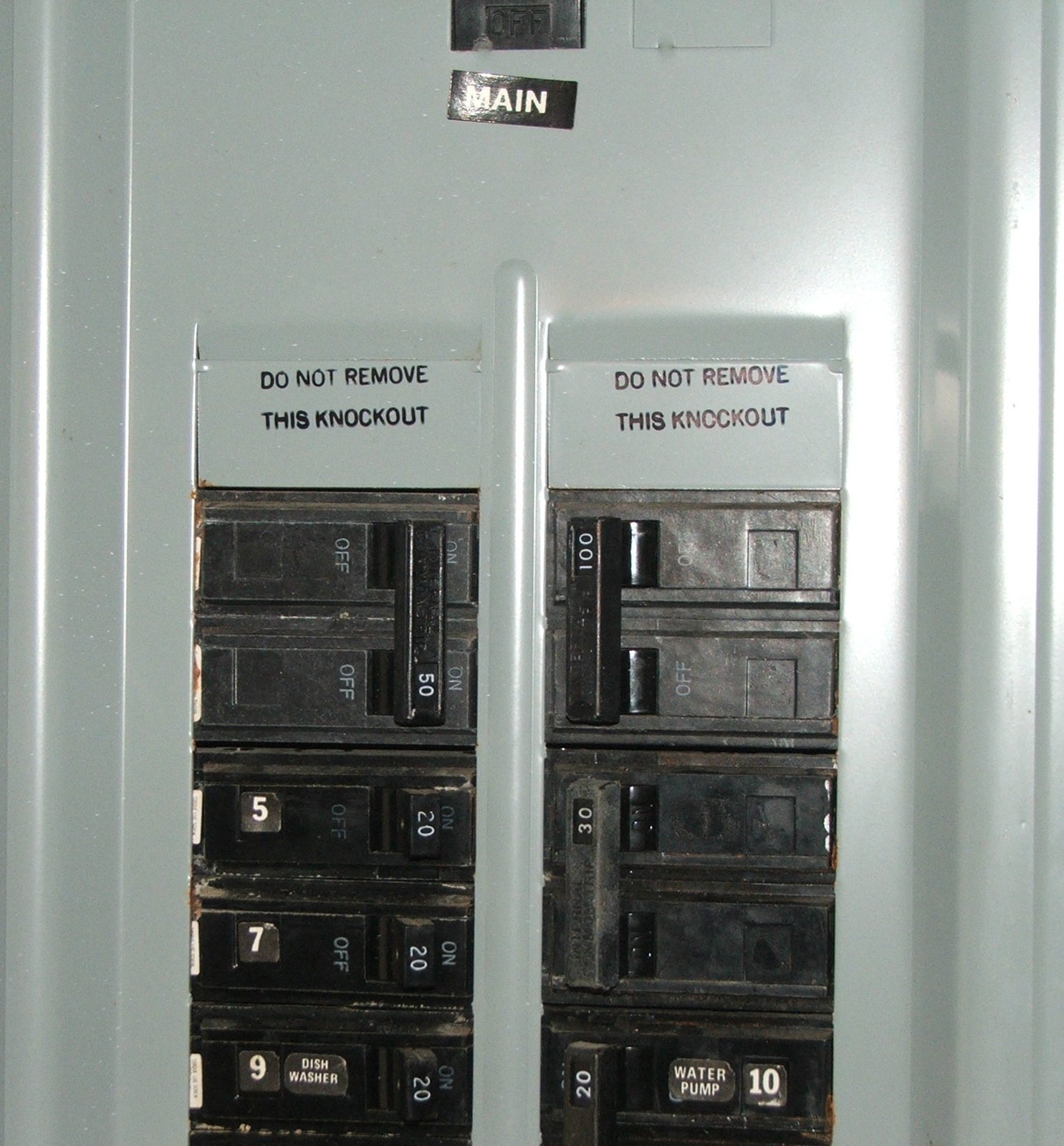
An interlock is a sliding plate on the panel cover. With it installed, the main breaker and the generator breaker can never both be on, so the house is either on the utility or on the generator. The generator feeds a two-pole breaker in your panel, and from there you can run any circuit in the house as long as the generator can carry it. The kit has to be listed for your exact panel make and model; a plate that does not match the panel will not pass inspection, and it should not.
A manual transfer switch beside the panel
A manual transfer switch is a small prewired box with a handful of circuits, each with its own selector. We move the furnace, the fridge, the freezer and a few lights or outlets onto it, and during an outage you flip those selectors to generator. It is the better choice when no interlock is listed for your panel, or the panel has no room for the generator breaker. It also makes overloading harder, because only the circuits you chose ahead of time can draw from the generator.
The inlet box and the cord
The power inlet is a weatherproof box mounted outside, usually near where the generator will sit, and wired back to the panel with conductors sized for the generator. Most mid-size portables use a 30 amp twist-lock outlet, so the inlet and cord are L14-30. Larger generators with a 50 amp outlet get a 50 amp inlet and a heavier cord. The cord gauge has to match the amperage, and the length has to let the generator sit well clear of the house.
Matching it to your generator
Before anything is ordered we read the generator nameplate, look at which outlets it has, and check whether its neutral is bonded to the frame. That last detail decides how the hookup is grounded, and getting it wrong puts current on metal parts of the house. If your generator has no 240 volt outlet, we will explain what it can and cannot run before you spend anything on parts.
A wattage plan you can follow in the dark
List what has to run
In a Cheyenne winter that starts with the furnace blower and its controls, then the fridge, a chest freezer, a sump pump if you have one, and a few lights. A well pump is a big draw and changes the whole plan, so tell us early if the house is on a well.
Account for starting surge
Motors pull two to three times their running watts for a second when they start. A generator that runs the fridge and furnace comfortably can still stall if both kick on at once with a microwave going. We add the surge into the numbers, not only the running load.
Stagger the heavy loads
Electric water heaters, ranges, dryers and space heaters can each eat most of a portable’s output. The plan says which of those stay off, and which can run one at a time after the essentials are steady.
Write it on the panel door
We leave a printed card inside the panel listing the breakers to turn on, in order, and the ones to leave off. Nobody should have to remember wattages by flashlight.
Carbon monoxide and cold mornings
A portable generator makes enough carbon monoxide to kill a family in a closed space. Keep it at least 20 feet from the house with the exhaust pointed away from doors, windows and vents. Never run it in the garage, even with the overhead door open. That distance is why the inlet location matters: we put it where a reasonable cord reaches a safe spot, not right under a bedroom window.
Put working carbon monoxide alarms on every level of the house, and test them before winter.
Starting it when it is ten below
A generator that sat all summer is not going to want to start in a January storm. Use the cold-weather oil the manual calls for, keep the fuel treated with stabilizer, and run the generator for a few minutes once a month. Electric-start models need their battery on a maintainer. Store it somewhere it stays dry, and before a storm, shovel out the spot where it will run so drifting snow does not bury the exhaust or the cord connection.
If you want something that starts on its own, the next step up is a permanent standby generator with an automatic transfer switch.
Portable hookup questions we hear most
What cord do I need for my portable generator?
It depends on the generator outlet. Most mid-size portables have a 30 amp, 240 volt twist-lock outlet, which takes an L14-30 cord and inlet. Larger units with a 50 amp outlet need a 50 amp cord and inlet. We match the cord gauge to the amperage and pick a length that keeps the generator a safe distance from the house.
Is an interlock kit allowed in Cheyenne?
A listed interlock kit, installed on the panel it is listed for and covered by an electrical permit, is accepted under the code used in Cheyenne and in the Colorado towns we work in. Homemade plates and kits that do not match the panel are a different story, and inspectors catch them.
Can a portable generator run my whole house?
Usually not all at once. A typical portable can run the furnace, the fridge and freezer, some lights and a few outlets. Electric heat, an electric range or a central air conditioner is generally beyond what a portable can carry. The wattage plan tells you exactly what yours can handle.
How far from the house should the generator sit?
At least 20 feet, with the exhaust pointed away from doors, windows and vents. Never in the garage, even with the door open. Keep working carbon monoxide alarms on every level of the house whenever the generator is running.
Does a portable generator hookup need a permit?
Yes. Adding an inlet and connecting a generator to your panel is permitted electrical work. We pull the permit under Isaac’s master license and schedule the inspection, so the hookup is on record and done to code.
Will the hookup work with the generator I already own?
Most likely. We check the generator’s outlets, its rated output and how its neutral is set up before ordering parts. If something about it does not suit a panel hookup, we tell you before any work starts.
Before the next storm
Have the inlet on the wall before you need it
Send Isaac a photo of your generator nameplate and your panel label. He will tell you which hookup fits and what it will run.
(307) 757-5553 Talk to IsaacServing Cheyenne, Laramie, Fort Collins, Greeley and the towns between • igarcia@moonlightelectricsolutions.com